
Something quietly broke this week.
On April 28, 2026, Anthropic shipped the largest single-day expansion of officially blessed MCP connectors to date: nine integrations spanning Adobe Creative Cloud (50+ apps), Blender, Autodesk Fusion, Ableton, Splice, SketchUp, Affinity by Canva, and Resolume. The framing was a polished consumer launch called "Claude for Creative Work," complete with celebrity partners, a Blender Foundation patronage, and a curriculum program with RISD, Ringling College, and Goldsmiths.
But the more interesting story is what happened around it.
In the same seven-day window, four unrelated vertical SaaS vendors launched their own MCP servers: Affinity (the PE/VC CRM), Trimble SketchUp, Comply (financial services compliance, used by 5,000+ broker-dealers), and Demandbase (B2B intelligence). No coordination. No shared press release. Just four teams, in four different verticals, deciding the same week that shipping an MCP server was now the way to launch an AI strategy.
If you're building or running anything in 2026, that pattern is the story. MCP just stopped being developer infrastructure and became the default SaaS launch motion, and Anthropic is the kingmaker.
Here's what changed, why it matters now, and what founders should actually do on Monday.
What Anthropic Actually Shipped
The nine connectors are easy to miss as a list. The detail is where it gets interesting.
Blender exposes its full Python API to Claude over MCP. That means scene analysis, debugging, batch scripting, and procedural generation, the entire creative tool, not a wrapper around it. Anthropic also joined the Blender Development Fund as a Corporate Patron, sitting alongside Netflix, Epic, and Wacom. This is the first time a frontier AI lab has bought a seat on the governance roster of an open-source creative tool. Promotional partnerships are one thing. Structural ones are another.
Autodesk Fusion ships first-party "Fusion MCPs" that any third-party AI client can drive. Not just Claude. The same is true for the Adobe integration covering 50+ Creative Cloud apps. Every connector Anthropic announced was deliberately marketed as cross-LLM compatible.
That last detail is the strategic move most coverage missed. By making every connector usable from any MCP client (Cursor, Goose, Windsurf, ChatGPT with custom MCP), Anthropic is winning the protocol war by refusing to fight a protocol war. They get first-mover association with Adobe, Autodesk, and Blender even though OpenAI and Google can use the same connectors via their own clients. Distribution-through-partners is the moat. Lock-in is the loser's strategy.
Anthropic's own framing was deliberately humble: Claude can't replace taste or imagination, but it can open up new ways of working. That kind of restraint plays well when you've just recruited every major creative software vendor to ship MCP under your launch umbrella.
The Same-Week SaaS Wave
The four parallel launches are where this story gets actionable for founders.
Affinity went live on April 28 with a hosted MCP server connecting Claude, Gemini, Copilot, and ChatGPT to private capital deal data. No infrastructure required from customer firms. The CEO's positioning line was specifically vertical: building the MCP best tailored for private capital. They cited Grant Thornton's 2026 AI Impact Survey showing 80 percent of PE firms now exploring or piloting agentic AI. The message: if your buyers are already buying, your job is to make sure their agents can buy from you.
Trimble SketchUp went live the same day as a Claude directory connector with Trimble ID OAuth and a free-then-paid entitlement structure (free to save 30 models, then a paid tier). This is the first clean monetization signal in the wave: usage-based pricing on top of an MCP server.
Comply announced the first agentic compliance MCP server for financial services on April 23, with a May 2026 GA waitlist. CEO Michael Stanton's sequencing line is the cleanest mental model in the entire wave: data, then intelligence, then access. If you sell into a regulated industry, that ordering is the launch sequence.
Demandbase phased GA rolled through the same window, exposing tenant data and third-party B2B intelligence to Claude, ChatGPT, and VS Code via MCP.
Four launches. Four verticals. One template.
The Template Nobody Has Written Down Yet
Reverse-engineer the four launches and a builder checklist falls out. If you're shipping an MCP server in the next 90 days, this is the pattern that worked this week:
- Hosted, not self-hosted. Customer firms don't want to run infrastructure. Affinity, Trimble, Comply, and Demandbase all chose hosted servers. STDIO is a non-starter for enterprise, both for ops reasons and security reasons we'll get to.
- OAuth 2.1 is the floor. Trimble used Trimble ID. Anthropic's connectors use standard OAuth flows. Anything less is a non-conversation in regulated industries.
- Multi-client compatibility from day one. Every successful launch this week explicitly named multiple clients (Claude, ChatGPT, Gemini, Copilot, VS Code). Single-client MCP is dead on arrival.
- Vertical-specific authorization model. Comply's broker-dealer entitlements look nothing like Affinity's deal-team permissions look nothing like Trimble's per-seat model. The auth model is your product.
- A pricing wedge. Trimble's free-30-models-then-paid is the cleanest example. Free entry, paid scale.
This is the playbook. It is now publicly available, lightly documented, and ready to copy.
The Pricing Time Bomb Nobody Is Talking About Loudly Enough
Simon Willison repeated something the same week that deserves more attention than it got. Picking up Matt Webb's argument, he flagged that headless services APIs plus MCP plus CLI, are about to dominate over per-seat SaaS UX, and that this will play havoc with existing per-head pricing schemes.
Think about what happens when the agent is the user. Per-seat pricing assumes humans log in. If your customer's agent is hitting your MCP server 4,000 times a day on behalf of a team of three, what exactly are you charging for?
There is no consensus answer yet. The candidate models in play this week:
- Per-call. Easy to bill, hard to forecast for buyers.
- Per-result. Aligns incentives but requires defining "result."
- Per-agent-action. Newest framing, no benchmarks yet.
- Per-tool-invocation. The MCP-native version; granular but legible.
- Hybrid usage with a per-firm floor. What Comply is hinting at.
If you're a founder selling SaaS in 2026, modeling your revenue at 50 percent agent traffic by 2027 is no longer a thought experiment. It is a board slide.
The Security Current Beneath the Wave
While SaaS vendors normalized MCP servers this week, the security community kept normalizing MCP servers as a new systemic risk class. OX Security's STDIO transport disclosure (a remote code execution vector affecting roughly 200,000 publicly accessible servers) continued generating coverage on Hackaday and through KYND's cyber-insurance white paper. Anthropic's official position is that the behavior is expected, and they have declined to patch the protocol.
This isn't a reason not to ship. It is a reason to ship correctly. The audit checklist:
- Sandbox MCP tool execution. Always.
- Treat external configs as untrusted by default.
- Prefer remote OAuth-authenticated servers over local STDIO.
- Scan for tools/call JSON-RPC traffic in your security tooling.
- Assume your MCP server is part of a supply chain.
If you can't say yes to all five, your roadmap has a P0 you haven't acknowledged yet.
Where Vanikya Sits in This
Full disclosure on this one: at Vanikya, we've been heads-down on the creative side of this same shift.
Our MCP server at vanikya.ai/mcp brings creative generation directly into Claude, images, vectors and SVG, Lottie animations, and video, as native tools the model can call without leaving the conversation. The same pattern Adobe and Blender just shipped at the desktop creative-software layer, we've been shipping at the generation layer: cross-LLM compatible, OAuth-authenticated, hosted, no infrastructure required from your side.
If you've been reading Vanikya for our MCP coverage, this week's news is the validation we've been quietly betting on. The protocol stopped being a developer story this week. It became a builder distribution channel.
Connect Vanikya to Claude at vanikya.ai/mcp if you want to see what creative MCP looks like from the inside.
What Founders Should Do on Monday
Six things, in order.
One. If you ship vertical SaaS, scope your MCP server now. Not Q3. Now. The wave has started and the early movers in each category will own the directory placement.
two. If you sell per-seat, model your revenue at 50 percent agent traffic by 2027. If the number scares you, that's the point. Decide your new pricing model before the market decides it for you.
three. Decide whether you are an MCP server author, a consumer, or both. Each path implies different engineering investment and different go-to-market. Pretending you don't have to choose is the slowest possible answer.
four. Audit your auth model against the Trimble, Affinity, and Comply patterns. OAuth 2.1 is the floor. If you're below it, fix that before you announce.
five. Pick a security posture before you ship. STDIO is not a posture. Sandboxing is.
six. Treat the Anthropic directory listing as a distribution channel, not a feature flag. Apply with launch assets, demo content, and a customer story ready. The directory is becoming the App Store of agent-driven SaaS.
The Frame
This wasn't one launch this week. It was an industry switching its default.
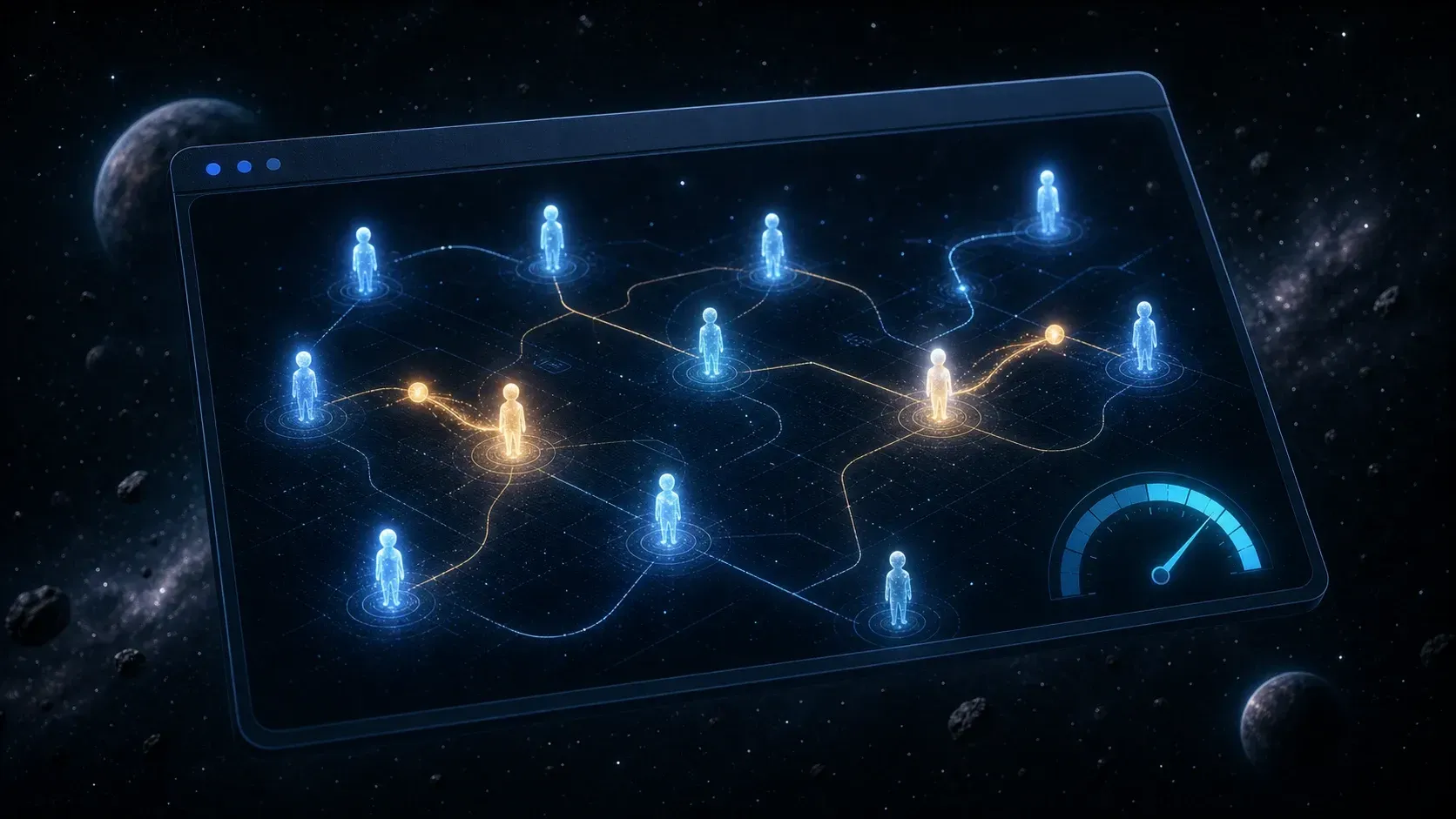
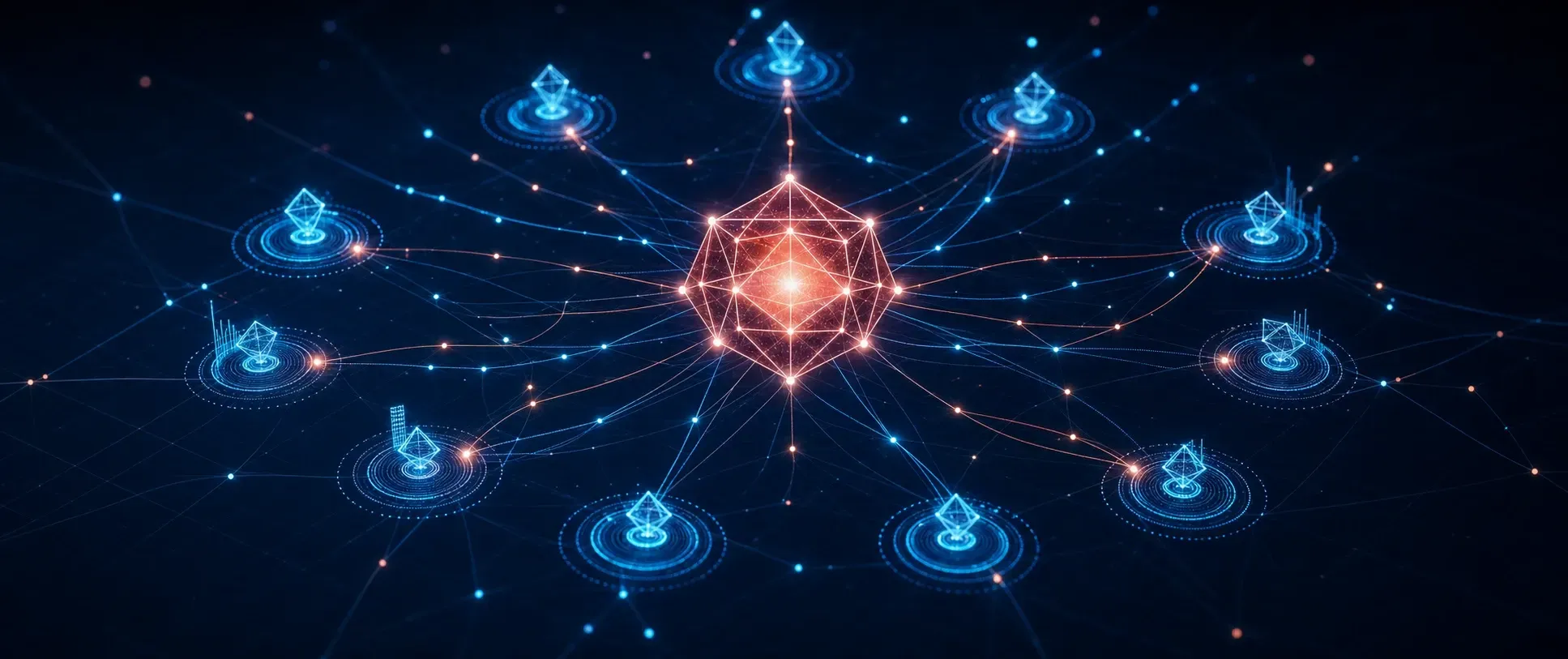
The protocol question, should your SaaS support MCP closed in seven days. The remaining question is harder and more interesting: where do you sit on a graph that no longer routes through your UI?
If you're a node, your job is data quality, authorization model, and observability. If you're a destination, your job is to figure out fast whether you still are. If you're both, congratulations, you have the most leverage and the most surface area to defend.
Pick deliberately. The graph won't wait.
If you're building MCP-native products, working on the creative side of the protocol, or just want to compare notes on what shipping in this window actually looks like, we'd love to hear from you. Connect Vanikya creative MCP to Claude at vanikya.ai/mcp, image, vector and SVG, Lottie, and video generation, all callable from inside the conversation.